


In the field of mergers and acquisitions (M&A), disputes related to share/stake transfer contracts are not uncommon, especially when issues arise of misinformation or breach of contract. The case between AEON Financial Service (AEON Financial) and Southeast Asia Commercial Joint Stock Bank (SeABank) related to the acquisition of Post and Telecommunications Finance Company (PTF) worth VND 4,300 billion is a typical example of these disputes. So what is the basis for AEON Financial to cancel this transaction with SeaBank?
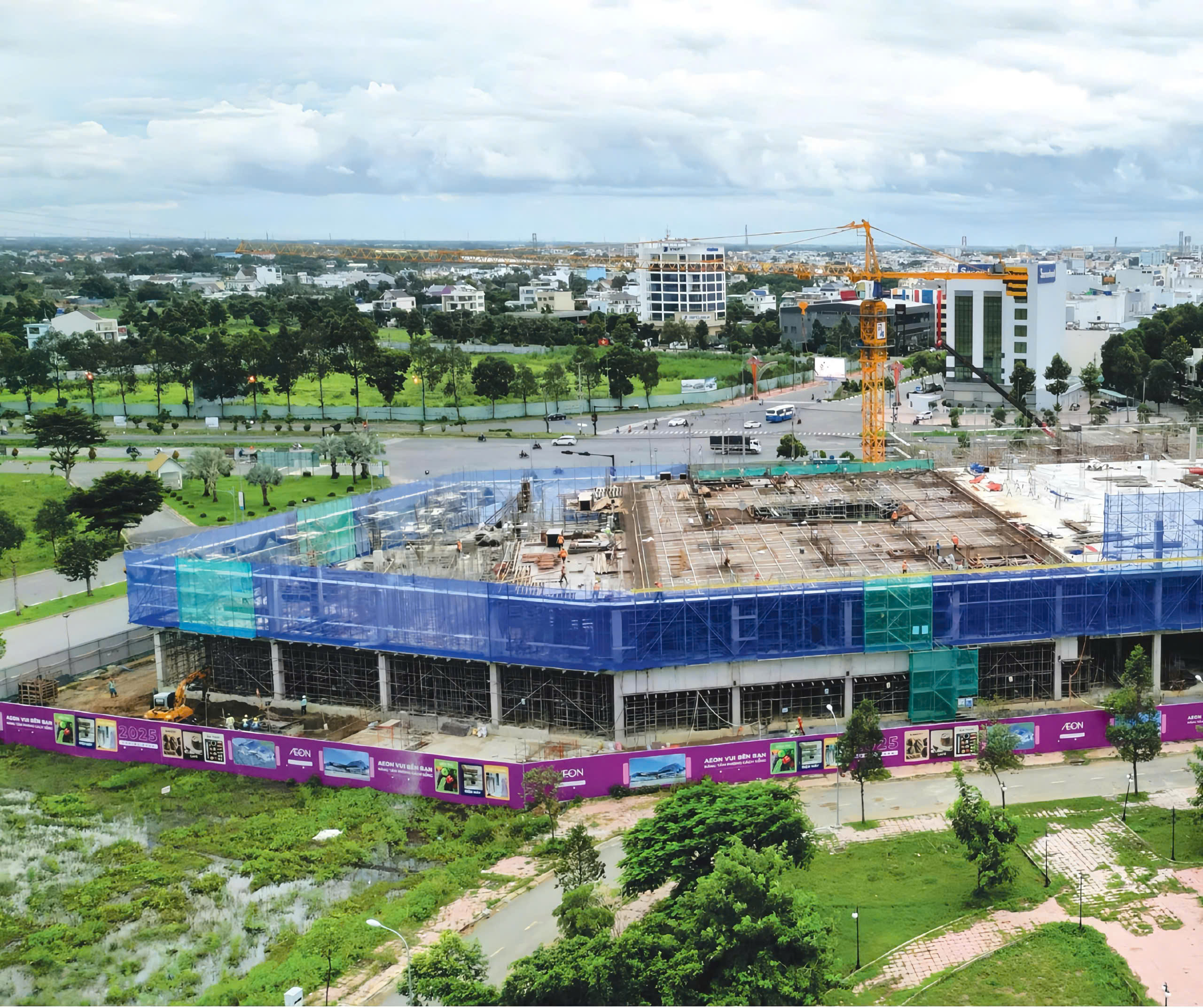
AEON Financial’s declaration of the PTF acquisition contract as invalid will face numerous challenges during the dispute resolution process. Source: The Saigon Times
Background of the case
On October 20, 2023, AEON Financial Services, a financial company under Japan's AEON Group, signed a contract to buy 100% of PTF's shares from SeABank for VND 4,300 billion. The transaction was approved by the State Bank of Vietnam on December 30, 2024 and completed on February 3, 2025, PTF becomes a consolidated subsidiary of AEON Financial. However, during the post-merger integration (PMI) process, AEON Financial discovered that inappropriate accounting transactions were carried out prior to the transfer. On June 6, 2025, AEON Financial issued a notice declaring the contract invalid, requesting reimbursement of costs, compensation for damages and prosecution of legal liability for SeABank[1].
The case raises questions about the legal basis that AEON Financial can use to cancel the transaction, especially when the transaction has been completed.
Grounds for canceling a transaction
In terms of the details of the case, we can look at some of the legal bases of this statement below.
The buyer is deceived during the transaction
One of the most likely grounds for AEON Financial to request the cancellation of the signed transfer contract is to prove that SeABank deliberately concealed or distorted accounting information to promote the purchase and sale transaction. Because according to Article 127 of the Civil Code 2015, a civil transaction can be declared invalid if a party is deceived resulting in the signing of a contract based on inaccurate information. Accounting irregularities detected by AEON Financial may be considered fraudulent if SeABank is aware of these issues but does not disclose them during the due diligence or negotiation process. However, proving fraud requires clear evidence of SeABank's deceptive intent, such as internal documents or correspondence that show they deliberately concealed accounting misrepresentations. SeABank can fully counter that the deviations are technical or inmaterial errors, undermining the basis of fraud that AEON Financial offers.
Breach of terms of warranties and warranties
In M&A contracts, representations and guarantees (R&Ws) are terms that require the seller to fully and accurately disclose information about the financial, legal, and operational status of the target company.
If SeABank provides false accounting information or fails to disclose improper transactions, this may be considered a violation of R&Ws. AEON Financial detects accounting irregularities made prior to the transfer, indicating that PTF's financial information may have been inaccurate at the time of signing the contract or completing the transaction.
Under M&A practice, a breach of the R&Ws may result in the right to claim or, in some serious cases, the declaration of the contract as void if the breach loses the basis of the transaction. According to the provisions of Vietnamese law, the contract can be canceled if one party seriously breaches its obligations, causing significant damage to the other party[2].
In this case, AEON Financial needs to prove that the accounting deviation is material and undetectable during the PTF due diligence. If SeABank argues that AEON Financial did not conduct due diligence, the request for cancellation of the contract may be dismissed. As is customary, Vietnamese courts often prioritize compensation for damages over cancellation of contracts, especially when the transaction has been completed and approved by the regulator.
Material Adverse Change Clause (MAC)
The MAC clause allows the buyer to cancel the transaction if a material adverse event occurs that affects the value or operations of the target company before the transaction is completed. In this case, in our opinion, the application of MAC has many limitations. In order to be considered a material adverse event and be entitled to apply this regulation, accounting deviations must have occurred before February 3, 2025 (the date of completion of the transaction), especially if they significantly reduce the value of the PTF. However, the practice of international M&A transactions shows that MAC usually only applies during the pre-closing period (between the time of signing the contract and the completion of the transaction). Since AEON Financial detects deviations during the PMI period, after the completion date, it is not feasible to activate the MAC regulation unless the contract has special provisions that allow the application of post-closing.

Post and Telecommunications Finance Company (PTF). Source: VNExpress
Legal challenges
AEON Financial's declaration that the contract is invalid will face many challenges in the process of resolving the case.
Firstly, the stability of the transaction. The transaction has been approved by the State Bank, creating a major legal barrier to the declaration of invalidity. Vietnamese courts often prioritize the protection of completed transactions.
Secondly, the buyer has conducted a pre-transaction appraisal. SeABank may argue that AEON Financial did not conduct due diligence, undermining the basis for canceling the contract.
Third, legal practice in Vietnam. Similar cases, such as the dispute between VMG Media and South Korean investment funds in 2017, show that courts and arbitrators often prioritize damages over canceling contracts[3].
What is the next step for the buyer?
Based on the legal bases analyzed above as well as the legal practice of Vietnam, AEON Financial may consider using R&Ws violations or deception to claim damages, instead of requesting cancellation of the contract, reimbursement of VND 4,300 billion and compensation for damages. However, in order to succeed in this requirement, AEON Financial needs to: (i) Provide clear evidence of accounting errors and their material impact on the value of the target company; (ii) Proving that the discrepancies were undetectable during the due diligence process and that the seller deliberately concealed the purchaser; (iii) Advised by a law firm specializing in M&A and dispute resolution to build a legal argument in accordance with Vietnamese law in the process of resolving disputes with SeABank in the Vietnamese Court or arbitration center of the selected parties.
Once again, this case emphasizes the importance of thorough due diligence not only in legal terms but also in the financial and accounting aspects of the business as well as the drafting of clear and effective contracts in M&A transactions. to tens of trillions of dong that can "land successfully", the parties not only need to specify in detail protection clauses, such as R&Ws and compensation, but also a mechanism to be able to cancel the transaction to minimize post-transaction risks for the seller - the party who is often "mistaken" in M&A transactions. The result of the dispute between AEON Financial and SeABank will bring valuable lessons to Vietnam's fledgling M&A market, especially for investors when making M&A deals in the field of consumer finance, which is a complex and not "pleasant" field.
Lawyer Nguyen Van Phuc
HM&P Law Firm
[1] https://www.aeonfinancial.co.jp/-/media/AeonGroup/Aeonfinancial/Files/en/news/2025/news250606_1_en.pdf, accessed on 09/06/2025.
[2] Article 423, Civil Code 2015
[3] https://baodautu.vn/vmg-media-phai-boi-thuong-cho-doi-tac-han-quoc-55-ty-dong-d249026.html, accessed on 09/06/2025


