- HM&P: Vietnam International Law Firm
- HM&P: Vietnam International Law Firm
- 02873080839
- https://hmplaw.vn/
Insights
Digital transformation is advancing rapidly in Vietnam, protecting personal data has become a top priority in many countries, including Vietnam. Decree 13/2023/ND-CP on Personal Data Protection has laid the foundation for the legal framework for data protection, and the Draft Law on Personal Data Protection (the "Draft"), which was submitted to the National Assembly at its 9th session (May 2025) and is expected to be adopted at this session, is expected to complete one of Vietnam's most important laws in personal data protection. With 68 provisions ranging from general regulations to the responsibilities of stakeholders, the Draft represents an effort to build a comprehensive legal framework. However, some contents in the draft are still unclear, difficult to implement, or not in line with the economic, social and legal practices of Vietnam.
In the rapid digital technological advancement, personal data has become a valuable resource but also has many potential risks. The protection of personal data is not only a legal requirement but also a vital factor to maintain user trust and ensure national security. The Draft Law on Personal Data Protection of Vietnam (the "Draft"), is expected to be approved by the National Assembly in 2025 and take effect on January 1, 2026. One of the key highlights of the draft is the regulation on personal data protection experts – a new but decisive role in the enforcement of data protection laws. In this article, we will analyze in detail the content related to DPO according to the latest Draft being submitted to the National Assembly at the 9th session, May 2025.
Personal data is becoming the target of increasingly sophisticated cyberattacks. The hacker attack on VNDirect Securities Joint Stock Company in March 2024 is a warning bell about vulnerabilities in personal data protection in Vietnam. This incident not only disrupts business activities but also exposes the limitations of the current legal framework, and sets an urgent requirement to build a more comprehensive and effective legal system for personal data protection. This article will analyze the VNDirect case, thereby proposing solutions to build and improve personal data protection laws in Vietnam.
The rapid development of technology and the cyber environment has made the protection of personal data (PD) an urgent requirement in Vietnam. The draft Law on Personal Data Protection (the "Draft") has been drafted by the Ministry of Public Security to be submitted to the National Assembly for comments and may be approved as soon as this year. The Law on Protection of Personal Data is expected to create a comprehensive legal framework to protect the privacy of individuals, while meeting international standards to which Vietnam is a member. However, some opinions say that this draft is setting too many administrative procedures, creating a burden on businesses, especially small and medium enterprises (SMEs) as well as start-ups, and going against the goals of administrative reform as well as promoting the digital economy set by the Government.
On April 21, 2025, the State Bank of Vietnam (SBV) issued Circular 03/2025/TT-NHNN, replacing Circular 05/2014/TT-NHNN, regulating the opening and use of accounts in Vietnam dong to carry out foreign indirect investment activities in Vietnam. This Circular is considered an important step forward in efforts to reform the foreign exchange management system, simplify administrative procedures and promote the development of Vietnam's stock market. With the goal of upgrading the stock market from a frontier market to an emerging market according to international standards, Circular 03 brings many remarkable new points, creating more favorable conditions for foreign investors in the process of investing in Vietnam. In this article, we will analyze the outstanding new points of Circular 03, assess the significance of these amendments and at the same time assess the potential to upgrade the rating of the Vietnam Stock Market in the near future from the amended regulations.
In Vietnam, secondment services are gradually becoming an effective solution for businesses that need in-depth legal support but do not want to invest in the internal legal department for a long time. With the participation of domestic law firms and international law firms, secondment services promise to play an important role in meeting the increasingly diverse legal needs of the market.
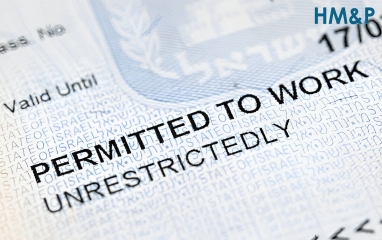
This Legal Guidance to Regulations on Foreign Workers Working in Vietnam has been compiled based on HM&P’s extensive experience in practical practice, providing legal services to businesses from privately held companies to some of the most legally compliant listed companies in the market. Therefore, we hope that this will be a necessary and valuable reference source for businesses as well as foreign workers who are and will be working in Vietnam.
The Draft Decree on foreign workers working in Vietnam, developed by the Ministry of Home Affairs to replace Decree No. 152/2020/ND-CP and Decree No. 70/2023/ND-CP (the "Draft"), brings many important changes and supplements to meet the requirements of administrative procedure reform, improve the business environment, and attract high-quality human resources from abroad. This article will analyze the notable new points in the draft, focusing on the adjustments to the licensing time, application requirements, decentralization of authority, and application of information technology, and evaluate the implications of these changes for the management of foreign workers and Vietnam's socio-economic development in the context of the Party and the State of Vietnam is reforming the business environment in Vietnam.
On May 10, 2025, the Ministry of Home Affairs presented a report summarizing the implementation of Decree No. 152/2020/ND-CP and Decree No. 70/2023/ND-CP, which proposes a series of amendments and supplements to adjust regulations on foreign workers working in Vietnam. These proposals not only reflect the obstacles in the implementation of current regulations but also demonstrate Vietnam's efforts in adapting to the new socio-economic context, especially in the period of accelerating national industrialization, modernization and digital transformation. This article will analyze in detail the specific reasons and causes of the proposal from the Ministry of Home Affairs for this regulation.
From May 19, 2025, Decree No. 69/2025/ND-CP amending and supplementing the Government's Decree No. 01/2014/ND-CP on foreign investors buying shares of Vietnamese credit institutions (CIs) officially takes effect. This is an important adjustment step to attract foreign capital, support the restructuring process of the banking system, and at the same time ensure the safety and stability of the national financial system.
The Law amending and supplementing a number of articles of the Law on Pharmacy (hereinafter referred to as the "Law on Pharmacy amended 2024") has supplemented regulations on the announcement of expected drug wholesale prices and the re-announcement of expected drug wholesale prices (hereinafter collectively referred to as 'price announcement'). This is a new procedure, completely different from the price declaration procedure specified in the Price Law 2023. The clear distinction between these two procedures is important in ensuring transparency, avoiding legal overlap and enhancing the efficiency of state management of the pharmaceutical market.
The Law on Pharmacy 2024 is considered to have helped expand the ability to develop the pharmacy chain model as a step forward in modernizing the pharmaceutical distribution system. But the burden of administrative procedures has not been eased much. The overlap in registration procedures not only reduces the efficiency of centralized management and hinders the modernization of the supply chain to bring pharmaceuticals to consumers.
-

-