


The abolition of the tax exemption policy for low-value imported goods is a necessary step to strengthen regulatory control and create a fair competitive environment between imported and domestically produced goods. However, the complete removal of this exemption also raises challenges in enforcement and the risk of financial burdens on consumers and small businesses.
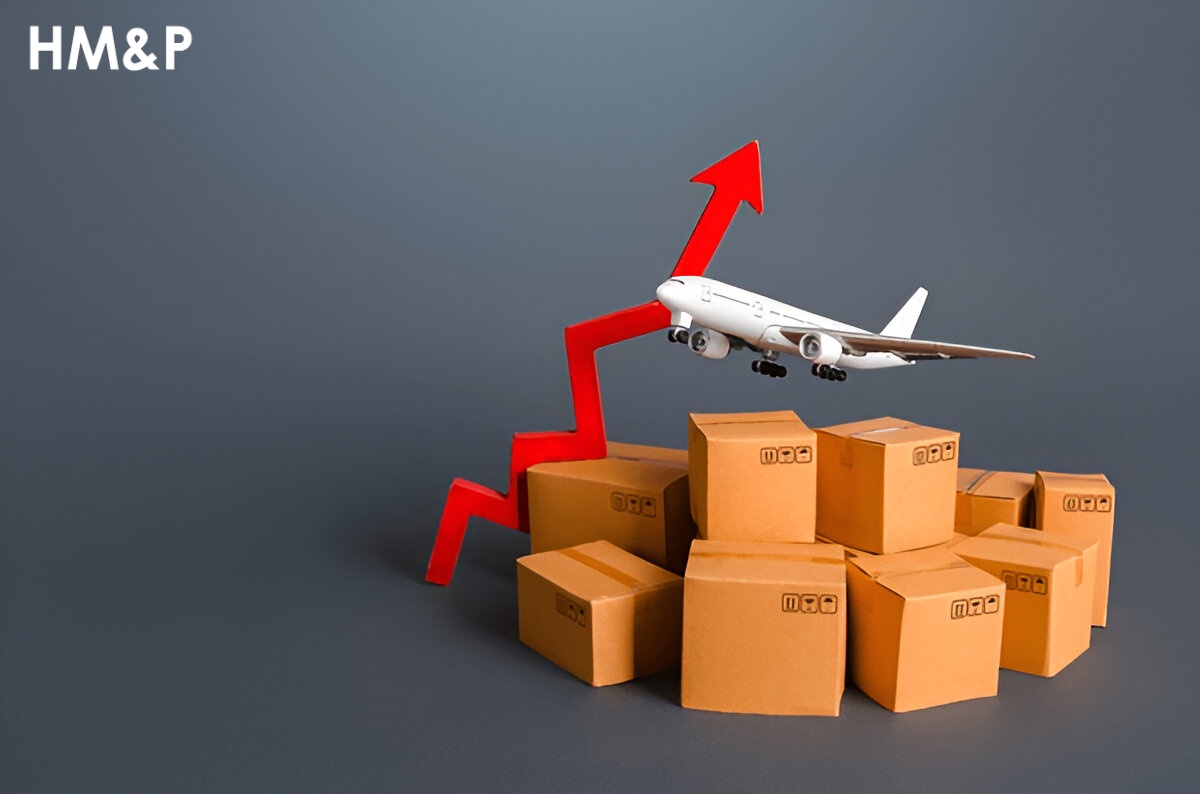
For over a decade, Vietnam has applied a tax exemption policy for low-value imported goods to facilitate trade transactions and reduce the burden on the customs system. At the time of issuing Decision No. 78/2010/QĐ-TTg - which exempted import duty and value-added tax (VAT) for express delivery shipments valued at less than VND 1 million - Vietnam’s e-commerce sector was not as developed as it is today. Import and export activities were primarily conducted through official channels by large trading companies, often requiring third-party distribution to reach consumers.
In reality, continuing to apply tax exemptions for low-value imports in the context of rapid e-commerce growth can disadvantage domestic production, particularly with the recent surge of cross-border platforms such as Shein, Temu,… from China. Low-value imported goods can be delivered directly to consumers without passing through local distribution channels. Consequently, low-cost imports from China have flooded the market, posing overwhelming competition to similar domestically produced goods.
Additionally, Decree No. 26/2023/NĐ-CP’s “Preferential Import Tariff Schedule” reveals that many consumer goods in Vietnam are subject to relatively high export duties up to 40%, while low-value imported goods via express delivery remain entirely tax-exempt under Decision No. 78/2010/QĐ-TTg. The comprehensive exemption of import duty and VAT, without differentiation by purpose or user category, is no longer aligned with current economic conditions.
In practice, many businesses and individuals have exploited the tax exemption policy under Decision No. 78/2010/QĐ-TTg by under-declaring the value of imported goods to evade taxes, leading to significant revenue losses for the state budget. At the same time, tax-exempt imported goods may unfairly compete with domestic products, creating market inequalities. In response, in January 2025, the Prime Minister issued Decision No. 01/2025/QĐ-TTg, abolishing this tax exemption policy to tighten regulatory control and protect domestic enterprises. This decision underscores the necessity of policy adjustments to balance trade interests with state revenue. It is also a crucial step in enhancing oversight and fostering fair competition between imported and domestically produced goods.
However, the complete removal of the tax exemption policy also presents enforcement challenges and the potential for financial burdens on consumers and small businesses.
For instance, when low-value goods are subject to import duty and VAT at rates of 8% or 10%, the price disparity compared to tax-exempt conditions could significantly impact consumer behavior, business strategies, and particularly e-commerce platforms. Under Decision No. 01/2025/QĐ-TTg, consumers may exercise greater caution when purchasing imported goods, while domestic enterprises will be encouraged to develop more competitive products.
Therefore, rather than entirely eliminating tax exemptions for low-value imported goods, a policy adjustment could be considered whereby import duty exemptions remain, but VAT is imposed on low-value imports below a certain threshold. For example, individually imported cosmetics for personal use could be subject only to VAT rather than both import duty and VAT, acknowledging consumer preferences for imported goods due to their quality and brand reputation. This approach would ease the administrative burden on customs authorities in handling large volumes of small shipments while ensuring state revenue collection without unduly burdening consumers.

Source: The Saigon Times
From a consumer perspective, tax exemptions could also be maintained for certain essential goods such as books, educational materials, small-scale medical equipment, or electronic components, as these items serve educational and everyday needs. If tax policies for low-value imported goods are revised, preferential treatment should be considered based on the type of goods and their intended use.
Insights from the European Union (EU), Australia, and the United States show that imposing VAT on low-value imports is a common trend to balance trade interests and national revenue. Before July 1, 2021, the EU applied a VAT exemption threshold for imported shipments valued below €22. However, from July 1, 2021, the EU abolished this threshold, requiring all imported goods to be subject to VAT[1]. E-commerce platforms and online marketplaces are now responsible for collecting VAT at the point of sale to ensure fairness between imported and domestically produced goods.
In Australia, before July 1, 2018, low-value imports under AUD 1,000 were exempt from the Goods and Services Tax (GST). However, under the A New Tax System (Goods and Services Tax) Act 1999, amended by the Treasury Laws Amendment (GST Low Value Goods) Act 2017, Australia imposed a 10% GST on all imported goods, including those valued below AUD 1,000. This measure has increased tax revenue and ensured fair market competition.
Recently, the United States has also tightened its “de minimis” policy, which previously exempted imported goods valued under USD 800 from import duties. Section 321 of the U.S. Customs Code (19 USC 1321) allowed tax-free treatment for small shipments, but this policy has been widely exploited, particularly by foreign e-commerce platforms. Under pressure from domestic businesses, the U.S. government has been considering policy adjustments to curb these abuses and protect domestic industries.
For Vietnam, the decision to exempt or reimpose taxes should be evaluated from multiple perspectives to align with economic realities and public interests. A sound policy should not exclusively protect any single entity but must balance the interests of all stakeholders while prioritizing the welfare of the majority of citizens.
In conclusion, the VAT policy on low-value imported goods should be adjusted flexibly and in accordance with Vietnam’s trade landscape. While ensuring full tax collection, preventing tax evasion, and supporting domestic enterprises are essential conditions for sustainable e-commerce market development, a transparent and efficient tax system will not only protect Vietnamese businesses but also contribute to market stability and long-term economic growth.
Read more at: Đã đến lúc thay đổi tư duy về thúc đẩy thương mại
Lawyer Nguyen Van Phuc - Cao Nguyen Bao Lien
HM&P Law Firm
[1] https://vat-one-stop-shop.ec.europa.eu/system/files/2022-01/guidance_on_import_and_export_of_low_value_consignments_en.pdf , last accessed on February 7, 2025.


