


The year 2023 will end with unprecedented difficulties and crises, setting a precedent for Vietnamese enterprises and marking the most difficult period since the Doi Moi era in 1986. According to the statistics from the Ministry of Planning and Investment, in the first 10 months of 2023, 146,550 enterprises have withdrawn from the market, an increase of 20.0% compared to the same period in 2022[1]. In the context of the world and Vietnam are welcoming the new year 2024 with much hope and optimism for a better future. This is an opportune time to look back on the path that how challenging 2023 has been for Vietnamese enterprises, a year full of challenges, and draw lessons for the coming period.
Real estate giants with struggle
The challenging period for Vietnamese companies in 2023 may have started earlier, as the last months of 2022 witnessed a series of wrongdoings discovered by the Van Thinh Phat Group and the Saigon Joint Stock Commercial Bank (SCB). The bond issuance activities of many companies are being investigated and inspected. A large number of prominent enterprises in the market are struggling to find ways to raise capital to repay bonds, pay bank interest, and pay loans due. Among them, it is impossible not to mention the "silent but smoldering" crisis of Novaland, a prestigious company in Vietnam's real estate sector with many projects spread across the country. At the end of 2022, rumors of a "major crisis" of Novaland filled the market when the group laid off more than 50% of its employees, followed by thousands of customers from various projects screaming about Novaland's refusal to fulfill its commitment to pay interest on bank loans instead. From that point on, Novaland found itself and began to fall into a real financial crisis.
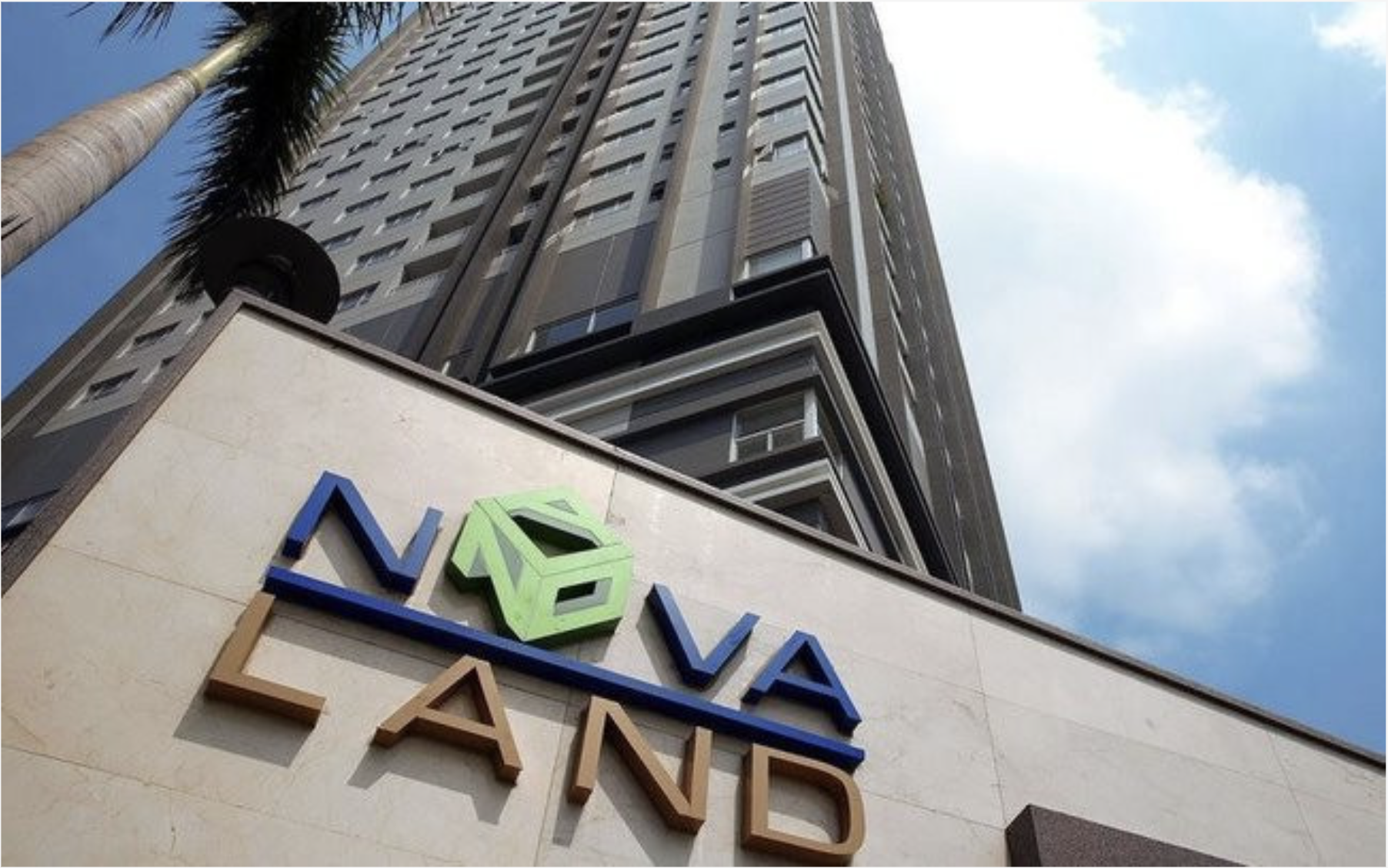 Source: Internet
Perhaps the nature of everything is also from and because of bonds. As of June 2023, according to Novaland's audited semi-annual financial report, the bond debt reached nearly 43,124 billion VND, the bank debt reached 15,560 billion VND, and the interest paid was 358.3 billion VND. At that time, Novaland's debt repayment pressure was extremely high, when the available financial resources of the remaining business were small and limited, the bank balance was very large, the debt was due, and the interest payments were coming. In order to get out of the risk of default, Novaland had to immediately take a series of strong and drastic measures, including reducing the number of employees by almost 70% compared to 2022, reducing salary costs by 68% over the same period, selling a number of assets, new operating segments such as Nova F&B, Nova Consumer, Nova Tech in cooperation with partners. In particular, the founder of Novaland, former Chairman of the Board of Directors Mr. Bui Thanh Nhon must return to continue to lead the disoriented Novaland "ship" back on track.
Novaland and its top leaders have shown themselves to be optimistic and perhaps a bit complacent in the process of running and governing the company. It is easy to say that they may have assumed that Novaland was still stable after more than 2 years of the raging covidae epidemic, with multiple lockdowns and state closure, and that they had consistently demonstrated resilience. The company successfully mobilized thousands of billions of VND bond issues, hundreds of millions of US dollars of international bonds from domestic and foreign investors, and its shares reached a historic all-time high in late 2021 and early 2022, with share prices peaking at VND 120,000 per share at one point. In the passionate and excited "yeast" of the real estate market leader at that time, with a myriad of high-profile projects covering hundreds of hectares, such as Nova World Phan Thiet, Nova World Ho Tram, or The Grand Manhattan luxury project. Novaland's leaders probably did not anticipate that one day Novaland would have to ask bondholders to extend its domestic bond packages worth tens of billions of dollars, or that Novaland's failure to pay interest on a $300 million international bond package on time would be reported in the local and international press.
Manufacturing enterprises dependent on foreign market
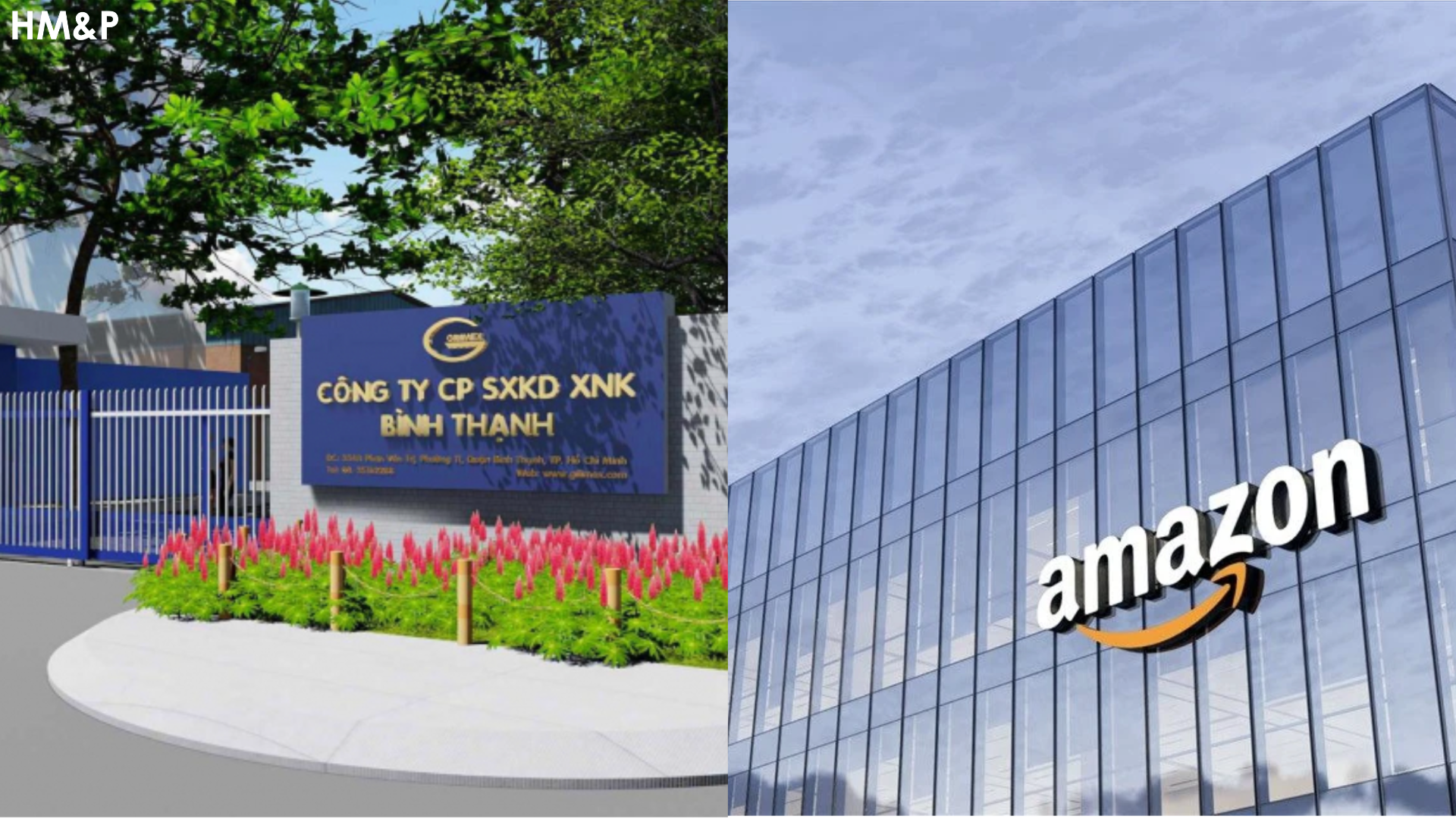
Vietnamese companies sue "giants"; A Vietnamese company sues Amazon for $280 million are the headlines that caught the attention of many when Binh Thanh Import Export Production & Trade JSC (Gilimex, GIL), a textile and garment company in Ho Chi Minh City, filed a lawsuit against Amazon Robotics LLC (Amazon). Gilimex filed a lawsuit against Amazon Robotics LLC (Amazon) for violating commitments previously signed with Gilimex. At present, the outcome of the lawsuit remains uncertain; in fact, since the termination of the cooperation and the filing of the lawsuit against Amazon, Gilimex has suffered consecutive losses and significantly reduced its business operations due to a severe lack of orders. As a result, a wide range of companies in Gilimex's Amazon supply chain have been affected, according to Garmex Saigon Joint Stock Company, Gilimex's partner has reduced from 4,000 employees to 37 people[2]. This company is currently almost completely shut down. Gilimex, or Garmex Saigon, is a common model of Vietnamese companies that are too dependent on a single customer and slow to change and adapt to new business conditions. The typical type of "for-profit" business enterprises, outsourcing to large enterprises and customers without a systematic development plan or strategy, no risk mitigation plan for investing the entire business for a single customer. Thus, the departure of this customer always leads to the almost imminent bankruptcy of the company, a situation that is easily understood. However, the companies still try to "punch sticky" and rely on their own luck.
By and large, the lament of Vietnamese manufacturing companies over the past year has been a lack of orders and customers. The general situation is difficult, everyone understands, but to be fair, many countries with outsourcing production similar to Vietnam, such as India and Bangladesh, are still developing well because they adapt and change with new requirements from customers and the market: Production is linked to environmental protection, green and sustainable development. Somewhere, Vietnamese enterprises have lagged behind other countries in the "battle" for customers because of the lack of international business experience or the conservatism of entrepreneurs in the new era?
Small and micro enterprises face challenges due to a lack of capital and weak governance
Anfa International Investment Consulting Co., Ltd. was founded in the aftermath of the peak epidemic in Vietnam in 2021, but at the beginning of 2022, this business officially started operations with 5 official employees, the head office of 55 m2 located in a building in District 1. At the beginning of 2023, the company showed the typical excitement and enthusiasm of a startup. However, like many other small and micro enterprises, Anfa encountered difficulties and struggled to get through 2023 with unhappy memories. For several consecutive months, despite significant investments in marketing, advertising and active participation in numerous national and international events, the number of customers using the company's services barely exceeded the number of fingers on one hand. While the operating expenses are quite high, up to hundreds of millions of VND per month, the income is only a few tens of millions of VND. Taking housing money to compensate for operating expenses is a force for business owners to do in this case when loans and raising capital from other sources are very difficult. Cut costs all the way, but the other important thing that affects the survival of the business is the customer, the business has not been able to find a solution. It is because their customers are domestic and foreign companies, they are cautious in using the service due to the general global difficult situation.
The main reasons for Anfa's bankruptcy were weak reserve capital and poor financial management. For small and micro enterprises like Anfa, in addition to the efforts of the enterprises themselves and their owners, support from small and medium enterprise support organizations and the government is crucial. This support should go beyond financial assistance and include experience in operating and managing new businesses. In order to have Vietnamese chaebols or unicorns in the future, Vietnamese SMEs need a favorable business environment coupled with timely and practical support from relevant authorities.
Lessons learned
.png)
Through events and crises, every company will learn its own lessons and shape its appropriate business strategies in the future. However, after experiencing a tumultuous year in 2023, a common observation among many enterprises in Vietnam is the limited internal strength and vision. Capital sources and reserves for difficult times are hardly considered by most enterprises. Some believe that "business is a battle", but perceive this battle as one in which they will always emerge victorious, without any possibility of failure, thus neglecting the need to prepare option 2, option 3 until the storm comes.
Probably, the mindset of Vietnamese enterprises and business owners in the New Year 2024 can be changed. Enterprises need to proactively think about contingency plans in difficult times, predict business trends, understand the provisions of policies not only in Vietnam but also globally, continuously innovate, and keep pace with the world. In this way, enterprises can control their own destiny without relying too much on the invisible or tangible hand of the state to turn around and change the destiny of their own businesses, whether in the firestorm of crisis or the earthquake of recession.
It is hoped that every Vietnamese business will transform all the difficulties of 2023 into the new year 2024 with new, methodical, drastic and more promising positions, so that the long sighs of 2023 will be a thing of the past.
[1] https://www.mpi.gov.vn/portal/Pages/2023-10-2/Tinh-hinh-hoat-dong-cua-doanh-nghiep-9-thang-nam-2h2qfj9.aspx, accessed on 04 January 2024.
[2] https://tuoitre.vn/khong-don-hang-mot-cong-ty-det-may-gan-4-000-nhan-su-nay-con-37-nguoi-20231027134339417.htm, accessed on 04 January 2024.


